What Happens During a PET/CT Scan? A Complete Patient Guide
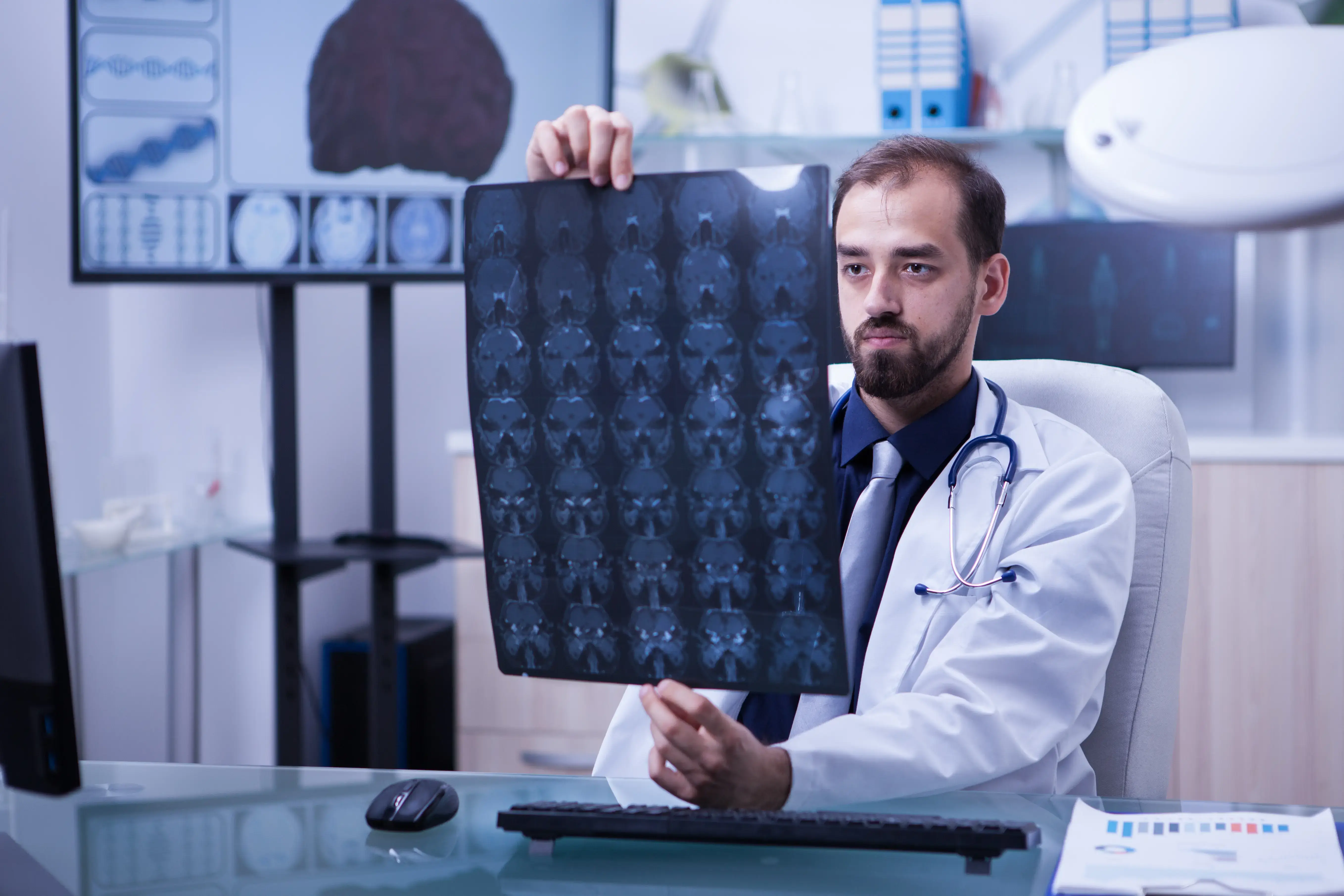
Medical imaging plays an essential role in modern cancer diagnosis and treatment planning. Among the most advanced imaging technologies available today is the PET/CT scan, a powerful tool used to detect cancer, monitor treatment progress, and identify possible recurrence.
For many patients, the idea of undergoing a PET/CT scan can raise questions and concerns. Understanding what happens during the procedure can help patients feel more comfortable and prepared.
This guide explains the PET/CT scan process, how the procedure works, and why it is an important part of modern oncology care.
What Is a PET/CT Scan?
A PET/CT scan (Positron Emission Tomography combined with Computed Tomography) is a specialized imaging test that combines two technologies to provide detailed information about the body.
The CT scan produces detailed images of organs, bones, and tissues. Meanwhile, the PET scan identifies areas of high metabolic activity within the body.
When combined, these technologies allow doctors to see both the structure of tissues and how cells are functioning. This makes PET/CT scans particularly useful for detecting cancer and evaluating how tumors behave.
Because cancer cells often consume more energy than normal cells, PET scans can highlight areas where abnormal activity is occurring.
Preparing for a PET/CT Scan
Proper preparation helps ensure accurate imaging results.
Before the scan, patients may receive instructions such as:
• Avoid eating for several hours before the scan
• Drink water to stay hydrated
• Avoid intense physical activity before the test
• Inform doctors about medications or medical conditions
Patients with diabetes or other medical conditions may receive specific preparation instructions from their healthcare provider.
Following these guidelines helps improve scan accuracy and ensures clear imaging results.
Step-by-Step PET/CT Scan Procedure
Tracer Injection and Preparation
The PET/CT scan begins with the injection of a small amount of radioactive tracer into the bloodstream. This tracer is typically a glucose-based substance that travels throughout the body.
Cancer cells absorb more glucose than normal cells due to their higher metabolic activity. After the injection, patients usually wait for about 30–60 minutes to allow the tracer to circulate and accumulate in tissues.
This waiting period helps ensure that the scanner can detect metabolic activity accurately.
The PET/CT Imaging Process
Once the tracer has circulated through the body, the patient lies on a narrow scanning table that moves slowly through the PET/CT scanner.
The scanner captures detailed images of the body from multiple angles. During the scan, patients are asked to remain still to ensure high-quality images.
The imaging process is painless and typically takes about 20–30 minutes.
The scanner detects areas where the tracer has accumulated, which may indicate increased cellular activity associated with cancer or other conditions.
Reviewing the Scan Results
After the scan is completed, a specialized physician called a radiologist or nuclear medicine specialist analyzes the images.
These experts examine both the PET and CT images to identify any abnormal areas of metabolic activity.
The results are then shared with the patient’s healthcare provider, who will discuss the findings and determine the next steps for diagnosis or treatment.
What Happens After the Scan
After the PET/CT scan, patients can usually return to their normal daily activities.
The small amount of radioactive tracer used in the scan naturally leaves the body through urine over the next several hours.
Doctors may recommend drinking extra water to help flush the tracer from the body more quickly.
Most patients experience no side effects from the procedure, making PET/CT scans a safe and effective diagnostic tool.
Why PET/CT Scans Are Important in Cancer Diagnosis
PET/CT imaging has become an essential part of modern cancer care because it provides highly detailed and accurate diagnostic information.
Doctors use PET/CT scans to:
• Detect cancer early
• Determine the stage of cancer
• Evaluate how well treatments are working
• Identify possible recurrence after treatment
• Guide treatment planning
Because PET/CT scans combine both structural and metabolic imaging, they provide a more complete picture of the disease compared to traditional imaging techniques.
This information helps doctors develop personalized treatment plans tailored to each patient’s condition.
Frequently Asked Questions
1. Is a PET/CT scan painful?
No. The procedure itself is painless. Patients may feel a small pinch during the tracer injection, but the scan itself is comfortable.
2. How long does a PET/CT scan take?
The full process usually takes between 60 and 90 minutes, including preparation and imaging time.
3. Are PET/CT scans safe?
Yes. The amount of radioactive tracer used in PET/CT scans is very small and is considered safe for diagnostic purposes.
4. When do doctors recommend a PET/CT scan?
Doctors may recommend PET/CT scans for diagnosing cancer, staging tumors, monitoring treatment effectiveness, or detecting possible cancer recurrence.

GICC Team is dedicated to advancing cancer care through innovation, research, and patient-focused clinical excellence.
All blog postsRelated posts
-

29/01/2025
Affordable Cancer Treatment in UAE: How GICC Guides You to the Right SupportAccessing cancer care: GICC connects patients to essential treatment resources.
-
14/01/2025
UAE’s First Private Ambulatory Cancer Center: Redefining Cancer Care in an Outpatient SettingUAE revolutionizes cancer care: first private ambulatory center for advanced treatments
-

07/01/2025
Navigating a Cancer Diagnosis: Tips for Patients and FamiliesFacing a cancer diagnosis together: guidance, support, and actionable tips for resilience