Inside GICC's Radiation Oncology Program: Precision Therapy Backed by 6,000+ Patients Treated
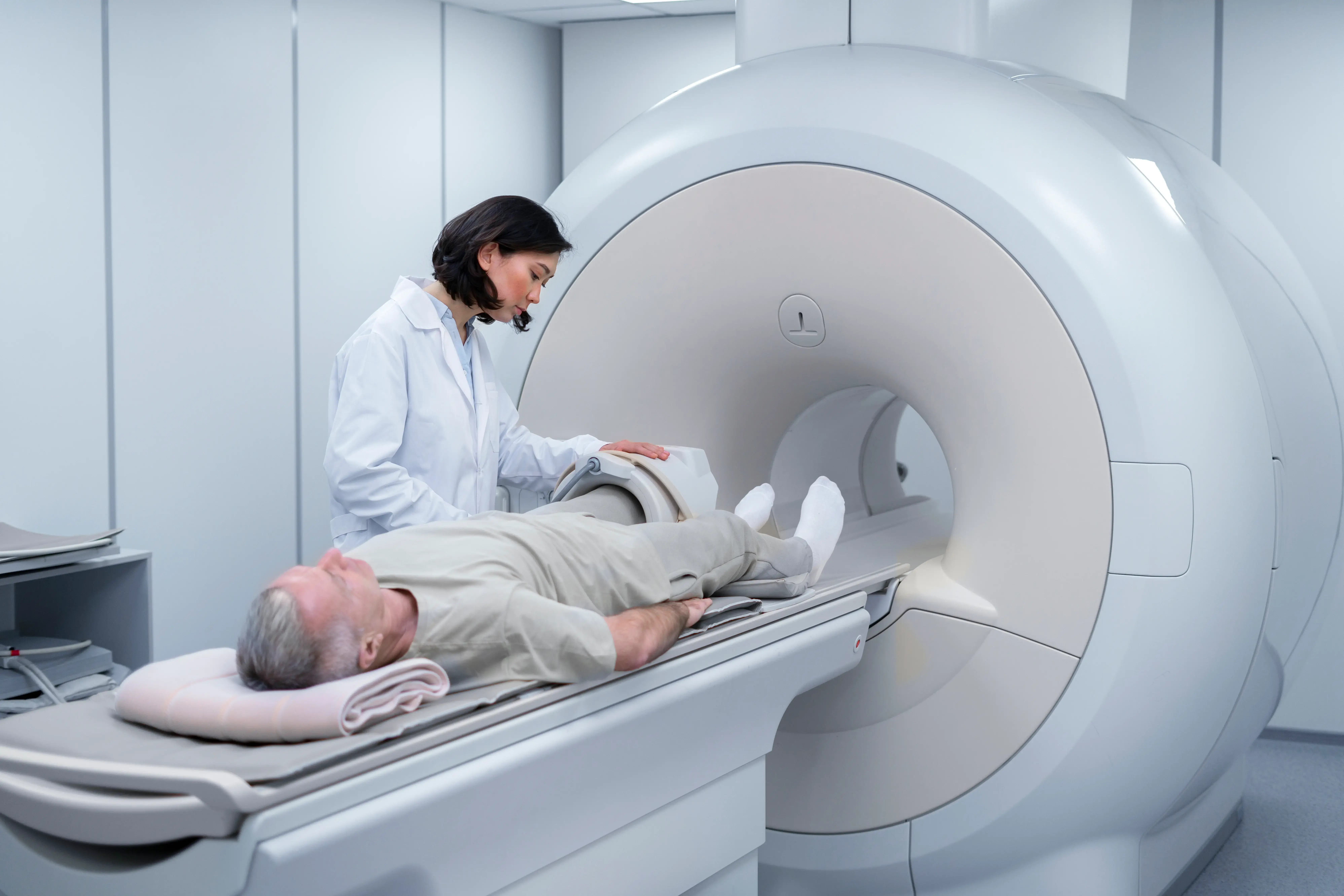
Since opening in 2007 as the UAE's first private ambulatory cancer care center, Gulf International Cancer Center has built one of the region's most experienced radiation oncology programs, delivering precision therapy to more than 6,000 patients. That track record reflects not just volume, but a consistent, refined approach to planning and delivering radiotherapy safely, session after session, for nearly two decades.
What Radiation Oncology Involves
Radiation oncology uses targeted doses of radiation to destroy cancer cells while limiting damage to surrounding healthy tissue. At GICC, treatment planning begins with detailed imaging, often informed by the center's own PET/CT program, so that radiation can be precisely mapped to the size, shape, and location of a tumor before a single session begins. This planning stage, sometimes called simulation, is where the entire course of treatment is essentially designed.
Why Precision Planning Matters
Protecting Healthy Tissue
Modern radiotherapy techniques shape radiation beams to match a tumor's exact contours, reducing exposure to nearby organs. This precision lowers the risk of side effects and allows patients to tolerate treatment courses that may extend over several weeks, without unnecessary strain on healthy tissue nearby.
Coordinated Care Across Departments
Because GICC houses radiation oncology, medical oncology, PET/CT imaging, and brachytherapy under one roof, radiation treatment plans are developed in coordination with a patient's full oncology team, rather than in isolation. This reduces delays between diagnosis, imaging, and the start of treatment, and allows adjustments to be made quickly if a patient's situation changes mid-course.
Consistency Across Every Session
Radiotherapy is only effective if each daily session is delivered with the same precision as the plan intended. GICC's radiation oncology team relies on repeated imaging checks throughout treatment to confirm positioning stays accurate, correcting for even small shifts in anatomy over the course of a multi-week treatment plan.
What Patients Can Expect
A typical course of radiation therapy involves an initial planning session, sometimes referred to as simulation, followed by a defined number of treatment sessions. Most sessions themselves take only a few minutes, though the total number of visits depends on the cancer type, stage, and treatment goals. Many patients are surprised to learn that the appointment itself is often quicker than the time spent getting positioned correctly on the treatment table.
Managing Side Effects Along the Way
Side effects vary depending on the area being treated, and commonly include localized fatigue or skin sensitivity. GICC's care team monitors patients throughout their course of treatment and adjusts supportive care as needed, so that side effects are addressed early rather than left to worsen.
A Track Record Built Over Nearly Two Decades
Treating more than 6,000 patients since 2007 has allowed GICC's radiation oncology team to build deep clinical experience across a wide range of cancer types and treatment complexities, backed by the center's Joint Commission International accreditation.
Frequently Asked Questions
Is radiation therapy painful?
The treatment itself is not painful, though some patients experience side effects such as fatigue or skin irritation depending on the treatment area.
How long does a course of radiotherapy take?
This varies by cancer type and stage, ranging from a few sessions to several weeks of daily treatment.
Does GICC combine radiation with other treatments?
Yes, radiation oncology at GICC is often coordinated with medical oncology, brachytherapy, and imaging as part of a combined treatment plan.
Will I need to stay in hospital during radiotherapy?
No, most radiation oncology treatment at GICC is delivered on an outpatient basis, allowing patients to return home after each session.
How is treatment accuracy checked throughout my course?
GICC's team uses repeated imaging verification during treatment to confirm positioning remains accurate at every session.
How experienced is GICC in radiation oncology?
GICC has treated more than 6,000 radiation oncology patients since 2007.
Is GICC's radiation oncology program accredited?
Yes, GICC holds Joint Commission International accreditation across its treatment departments.

GICC Team has dedicated their career to improving cancer care and fostering innovative approaches to patient treatment.
All blog posts