Precision Oncology: How Personalized Cancer Treatment Is Shaping the Future of Care
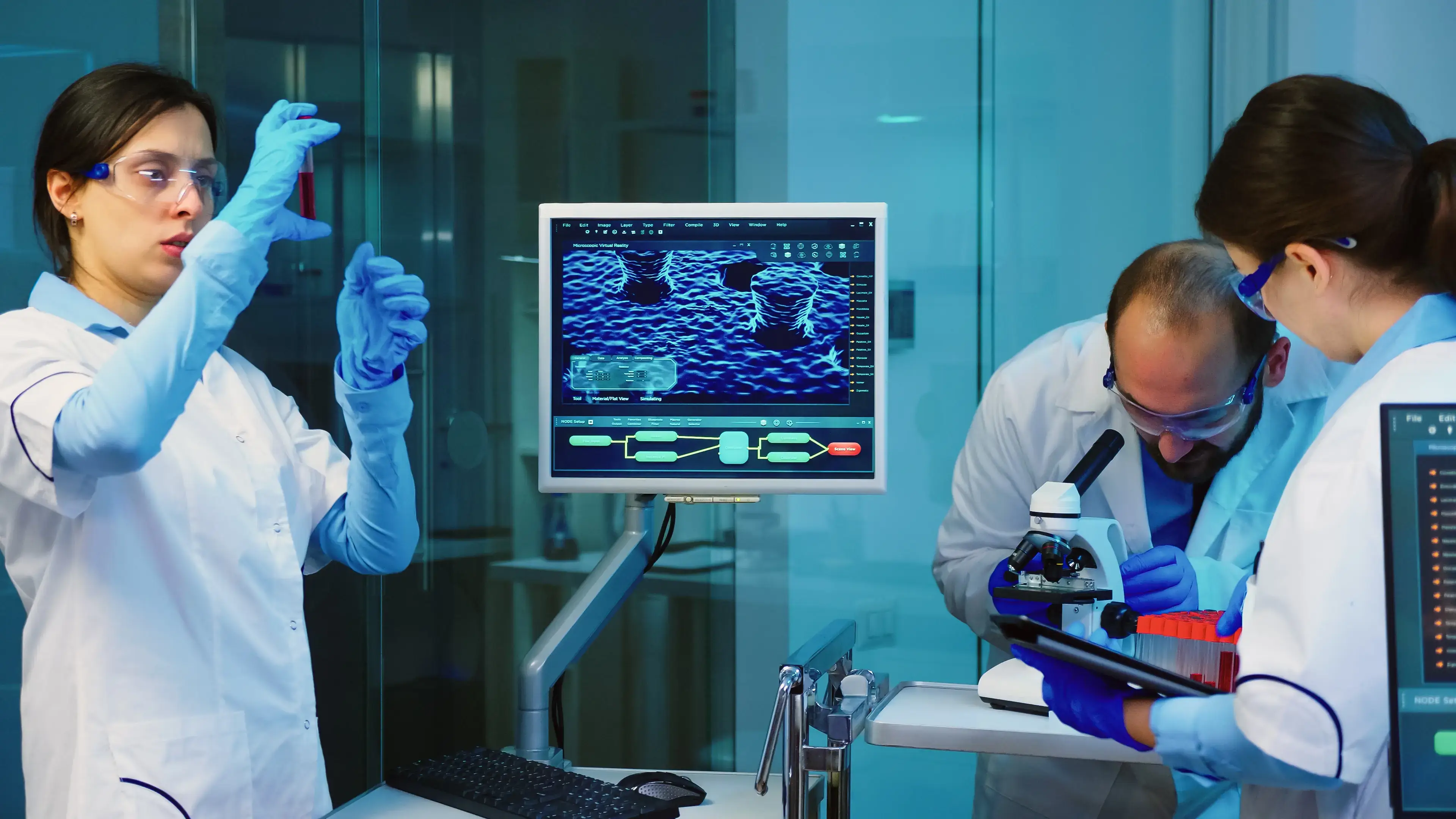
Cancer is not a single disease, and no two patients experience it in the same way. Precision oncology acknowledges this reality by tailoring cancer treatment based on individual patient characteristics, tumor biology, and genetic makeup.
By integrating advanced diagnostics, imaging, and molecular analysis, precision oncology enables clinicians to design treatment plans aligned with the specific behavior of each patient’s cancer, supporting better outcomes and reducing unnecessary exposure to ineffective therapies.
Why Precision Oncology Is Transforming Cancer Treatment
Traditional treatment protocols often follow standardized approaches. Precision oncology shifts this model toward individualized care, ensuring therapies are selected based on biological evidence rather than population averages.
Understanding Personalized Cancer Treatment
From One-Size-Fits-All to Individualized Care
Personalized cancer treatment focuses on understanding the unique molecular and genetic profile of each tumor, allowing clinicians to choose therapies that are more likely to be effective.
Role of Genomics and Molecular Profiling
Genomic testing and molecular profiling identify mutations and biomarkers that guide treatment decisions, helping avoid ineffective therapies and unnecessary toxicity.
Targeted Therapies and Advanced Diagnostics
Matching Treatments to Tumor Biology
Targeted therapies act on specific pathways involved in cancer growth. Precision oncology ensures these treatments are matched to patients whose tumors exhibit the appropriate biological targets.
Reducing Side Effects and Improving Effectiveness
By focusing on cancer-specific mechanisms, personalized therapies often result in fewer side effects and improved treatment tolerance.
Benefits of Precision Oncology for Patients
Improved Outcomes and Quality of Life
Precision oncology aims to deliver the right treatment at the right time, improving survival outcomes while maintaining patient quality of life.
Smarter Treatment Decisions
Access to detailed molecular data reduces trial-and-error approaches, enabling more confident and evidence-based cancer care.
Challenges and Limitations of Precision Oncology
Cost, Accessibility, and Infrastructure
Advanced diagnostics and targeted therapies can be resource-intensive, limiting access in some healthcare settings.
Data Interpretation and Clinical Integration
Interpreting complex genomic data requires specialized expertise and strong collaboration between multidisciplinary care teams.
The Future of Personalized Cancer Care
Advances in artificial intelligence, real-time monitoring, and predictive analytics are expected to further enhance precision oncology, shaping the next generation of cancer care.
Frequently Asked Questions
Q: What is precision oncology?
Precision oncology tailors cancer treatment based on individual patient and tumor characteristics.
Q: How does personalized cancer treatment work?
It uses advanced diagnostics, imaging, and molecular analysis to select treatments most likely to be effective for a specific patient.
Q: Are targeted therapies safer than traditional treatments?
Targeted therapies may reduce side effects by focusing on cancer-specific pathways, but safety depends on individual patient factors.
Q: Is precision oncology widely available?
Availability varies depending on healthcare infrastructure and access to advanced diagnostic tools.
Q: What is the future of precision oncology?
The future includes greater use of artificial intelligence, integrated diagnostics, and more accessible personalized cancer treatments.

GICC Team is dedicated to advancing cancer care through innovation, research, and patient-focused clinical excellence.
All blog postsRelated posts
-

29/01/2025
Affordable Cancer Treatment in UAE: How GICC Guides You to the Right SupportAccessing cancer care: GICC connects patients to essential treatment resources.
-

14/01/2025
UAE’s First Private Ambulatory Cancer Center: Redefining Cancer Care in an Outpatient SettingUAE revolutionizes cancer care: first private ambulatory center for advanced treatments
-

07/01/2025
Navigating a Cancer Diagnosis: Tips for Patients and FamiliesFacing a cancer diagnosis together: guidance, support, and actionable tips for resilience