How PET/CT Scans Help Detect Cancer Before Symptoms Appear
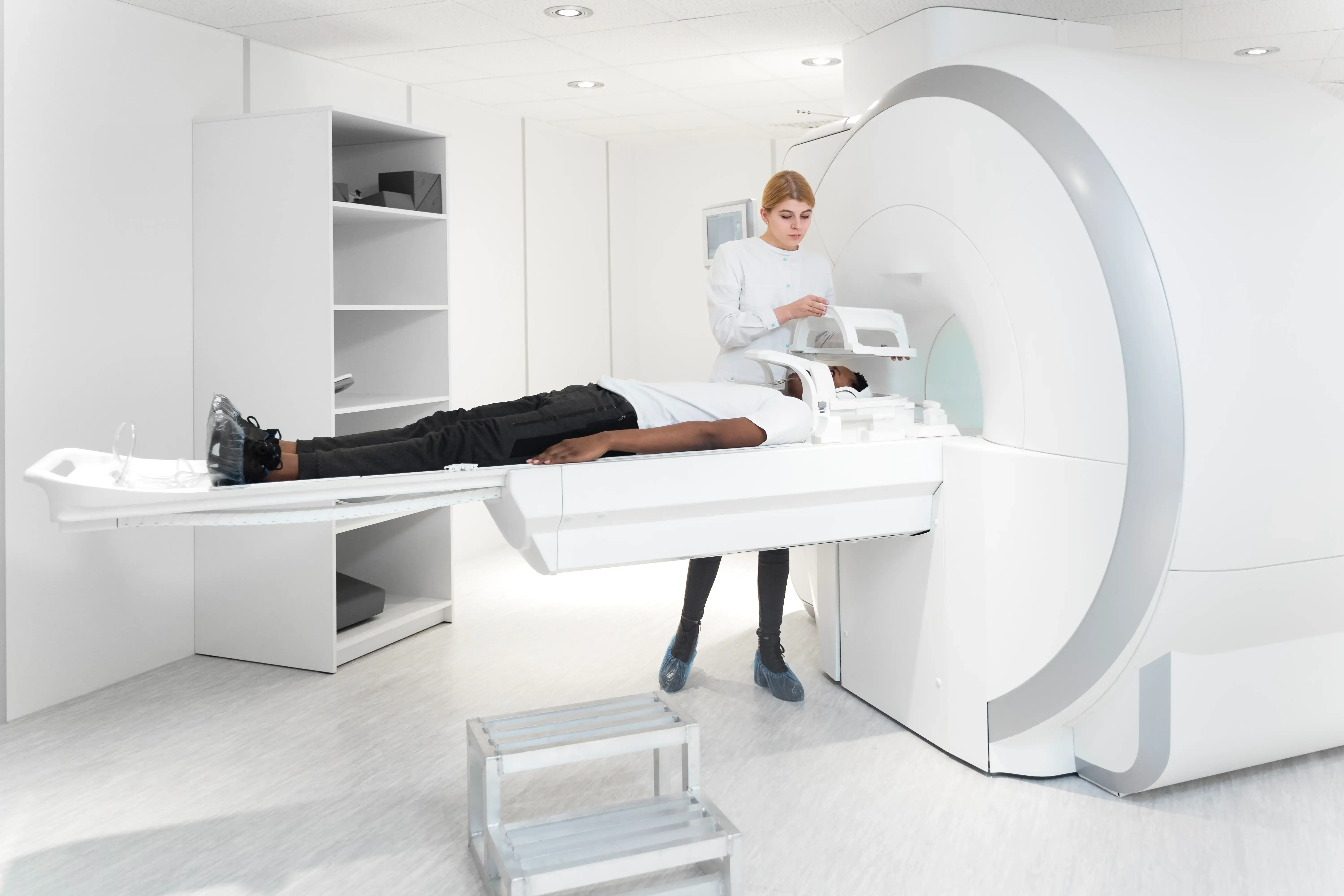
Early detection plays one of the most important roles in successful cancer treatment. Many cancers develop silently, often without noticeable symptoms during the early stages. By the time symptoms appear, the disease may already be advanced.
This is where PET/CT scans become extremely valuable. PET/CT imaging allows doctors to detect cancer activity inside the body before physical symptoms occur. By combining metabolic imaging with detailed anatomical scans, PET/CT technology provides doctors with powerful insights that traditional imaging methods may miss.
In modern oncology centers across the UAE, PET/CT scanning is becoming a key tool for identifying cancer early, guiding treatment decisions, and improving patient outcomes.
What Is a PET/CT Scan?
A PET/CT scan (Positron Emission Tomography combined with Computed Tomography) is an advanced medical imaging technique that allows doctors to see both the structure and function of tissues inside the body.
The scan combines two technologies:
• CT Scan – Produces detailed images of the body’s internal structures such as organs and tissues.
• PET Scan – Detects metabolic activity within cells using a small amount of radioactive tracer.
When these two imaging methods are combined, doctors can see not only where abnormalities are located but also how active those cells are metabolically.
This combination makes PET/CT scans extremely effective in identifying cancer cells at an early stage.
How PET/CT Scans Detect Cancer Early
How Molecular Imaging Works
PET scans use a special tracer, often a glucose-based radioactive compound, that is injected into the bloodstream before the scan begins.
Cancer cells typically use more energy than normal cells. Because of this increased metabolic activity, cancer cells absorb more of the tracer than healthy tissue.
The PET scanner detects these areas of high tracer uptake, highlighting regions where abnormal cell activity may be present.
Detecting Abnormal Cell Activity
One of the greatest advantages of PET/CT scans is the ability to detect changes in cell activity before structural changes occur.
Traditional imaging techniques like CT or MRI often identify tumors only after they have grown large enough to alter the structure of tissues. PET scans, however, can detect metabolic abnormalities earlier.
This allows doctors to identify potential cancer development sooner and begin treatment earlier.
Identifying Tumors at an Early Stage
By combining metabolic imaging with anatomical imaging, PET/CT scans provide extremely accurate diagnostic information.
Doctors can pinpoint the exact location of suspicious cells while also determining their biological activity. This helps differentiate between benign conditions and malignant tumors.
Early-stage cancer detection often leads to:
• Less aggressive treatment
• Better treatment success rates
• Faster recovery
• Improved long-term survival
Why Early Cancer Detection Is Important
Detecting cancer early dramatically increases the chances of successful treatment. Many cancers that are difficult to treat in advanced stages can be managed effectively when diagnosed early.
Early detection provides several advantages:
• More treatment options
• Less invasive therapies
• Reduced healthcare costs
• Improved quality of life
When Doctors Recommend a PET/CT Scan
Doctors may recommend a PET/CT scan in several situations related to cancer diagnosis and treatment.
Common reasons include:
• Detecting cancer when symptoms are unclear
• Staging cancer to determine how far it has spread
• Monitoring the effectiveness of treatment
• Detecting possible cancer recurrence
• Evaluating suspicious abnormalities found on other imaging tests
PET/CT scans are widely used in diagnosing and managing cancers such as:
• Lung cancer
• Breast cancer
• Lymphoma
• Colorectal cancer
• Head and neck cancers
Because of its precision, PET/CT imaging is often considered one of the most powerful diagnostic tools in modern oncology.
PET/CT Imaging Technology in Modern Oncology
Medical imaging technology continues to evolve rapidly. Today’s PET/CT scanners offer higher resolution, faster scan times, and improved diagnostic accuracy.
Many leading oncology centers in the UAE are adopting the latest imaging technology to support early cancer detection and personalized treatment planning.
Advanced PET/CT systems can:
• Detect smaller tumors than earlier technologies
• Provide faster imaging results
• Improve diagnostic confidence for physicians
• Assist oncologists in designing targeted treatment strategies
These technological advancements are helping transform cancer care across the region.
Frequently Asked Questions
1. What cancers can PET/CT scans detect?
PET/CT scans are commonly used to detect cancers such as lung cancer, lymphoma, breast cancer, colorectal cancer, and head and neck cancers.
2. Are PET/CT scans safe?
Yes. PET/CT scans use a very small amount of radioactive tracer that leaves the body naturally within a short period.
3. How long does a PET/CT scan take?
The entire procedure usually takes between 60 and 90 minutes, including preparation and imaging time.
4. Can PET/CT scans detect cancer before symptoms appear?
Yes. PET/CT imaging can detect abnormal metabolic activity in cells before noticeable symptoms develop, allowing earlier diagnosis.

GICC Team is dedicated to advancing cancer care through innovation, research, and patient-focused clinical excellence.
All blog postsRelated posts
-

29/01/2025
Affordable Cancer Treatment in UAE: How GICC Guides You to the Right SupportAccessing cancer care: GICC connects patients to essential treatment resources.
-

14/01/2025
UAE’s First Private Ambulatory Cancer Center: Redefining Cancer Care in an Outpatient SettingUAE revolutionizes cancer care: first private ambulatory center for advanced treatments
-

07/01/2025
Navigating a Cancer Diagnosis: Tips for Patients and FamiliesFacing a cancer diagnosis together: guidance, support, and actionable tips for resilience