Inside GICC's Cyclotron: Powering Abu Dhabi's Most Experienced PET/CT Program
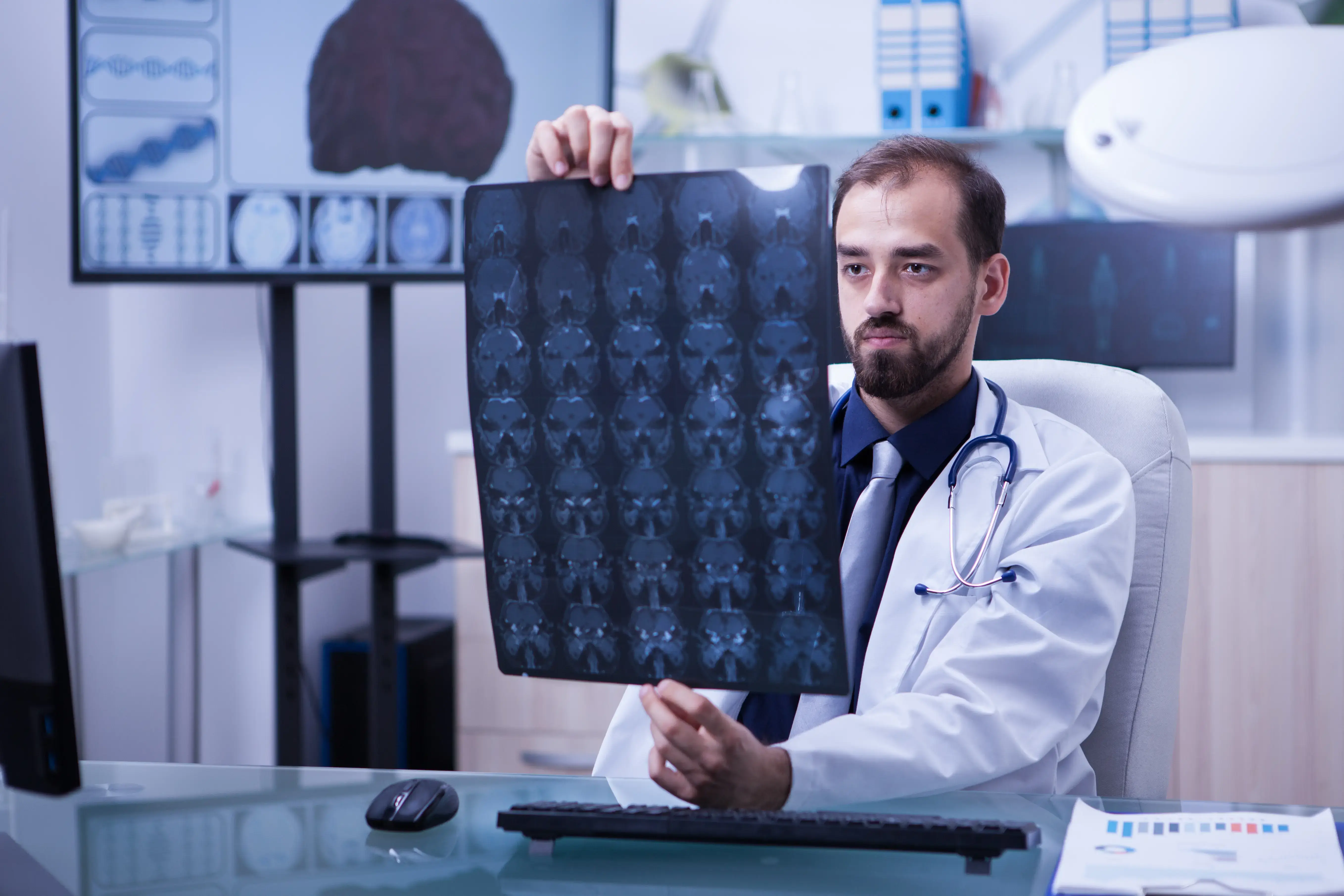
Behind every accurate PET/CT scan at Gulf International Cancer Center is a piece of technology most patients never see: an on-site cyclotron. Since 2007, GICC has built the UAE's most experienced PET/CT imaging program, performing more than 19,000 scans, largely because it controls the full imaging supply chain in-house rather than depending on outside radiopharmacy suppliers. For patients, that difference is rarely visible on the surface, but it shapes almost everything about how quickly and accurately a diagnosis can be reached.
What a Cyclotron Actually Does
A cyclotron is a particle accelerator that produces the short-lived radioactive isotopes used as tracers in PET/CT imaging. These isotopes are attached to biological molecules like glucose, then injected into the patient so that a PET/CT scanner can track how tissue is metabolizing them. Cancer cells tend to consume glucose at a much higher rate than healthy cells, which is what makes them light up distinctly on a scan. Because these isotopes decay within hours, having the cyclotron on-site at GICC means tracers reach the imaging suite fresh, with no delays from importing them from elsewhere in the region.
Why In-House Isotope Production Matters for Patients
Reliability and Scan Availability
Hospitals that rely on imported radioisotopes are constrained by shipping schedules and isotope decay during transit. A delayed flight or customs hold can mean a cancelled scan and a patient sent home to wait. GICC's cyclotron produces 10 different radiolabeled isotopes on-site, which means scans can be scheduled with greater flexibility and fewer delays for patients who need timely diagnostic answers.
Image Quality and Diagnostic Accuracy
Fresher tracers generally produce sharper, more diagnostically reliable images. Isotopes lose potency the moment they are produced, so every hour spent in transit is an hour of image quality lost. This directly supports GICC's ability to detect and stage cancers earlier and more precisely, which is critical for planning radiation oncology, medical oncology, and brachytherapy treatment that follows.
Cost and Access Benefits
Producing isotopes locally also reduces dependence on international radiopharmacy supply chains, which can be expensive and unpredictable. Over time, this infrastructure investment helps GICC keep PET/CT imaging accessible and consistently available to patients across the UAE, rather than subject to supply shortages seen elsewhere.
How PET/CT Fits Into the Broader Cancer Journey at GICC
PET/CT imaging at GICC is rarely a standalone step. It informs initial diagnosis, helps stage disease before treatment begins, and is used again after therapy to assess response. Because GICC's radiation oncology, medical oncology, and brachytherapy departments operate under one roof, imaging results move directly into treatment planning without the delays of transferring records between separate facilities.
What Patients Can Expect During a Scan
Most PET/CT appointments begin with an injection of the tracer, followed by a waiting period of around 45 to 60 minutes while it distributes through the body. The scan itself is painless and typically takes 20 to 30 minutes, after which patients can resume normal activities the same day, with only minor precautions around isotope exposure to others.
A Track Record Built Over Nearly Two Decades
GICC's PET/CT program is described as the most experienced in the UAE, a reputation built on volume, consistency, and the infrastructure to support it. The cyclotron is a core part of that infrastructure, distinguishing GICC from centers that outsource their imaging tracers and giving patients access to a level of imaging reliability that is difficult to replicate without in-house isotope production.
Frequently Asked Questions
What is a cyclotron used for in cancer diagnosis?
It produces the radioactive isotopes used as tracers in PET/CT scans, which help detect and stage cancer.
Why does GICC have its own cyclotron?
Producing isotopes on-site ensures fresher tracers, more reliable scan scheduling, and consistent image quality for patients.
How many isotopes does GICC's cyclotron produce?
GICC's cyclotron produces 10 radiolabeled isotopes used across its diagnostic imaging services.
Is a PET/CT scan at GICC used for treatment planning too?
Yes, PET/CT results feed directly into radiation oncology, medical oncology, and brachytherapy planning at GICC.
Is a PET/CT scan safe?
Yes, the radiation dose used is carefully controlled and considered safe for diagnostic purposes, with exposure similar to other routine imaging procedures.
How long does a PET/CT appointment take from start to finish?
Including the tracer uptake period and the scan itself, most appointments take around 1.5 to 2 hours in total.
How experienced is GICC in PET/CT imaging?
GICC has performed more than 19,000 PET/CT scans since 2007, making it the most experienced center of its kind in the UAE.

GICC Team has dedicated their career to improving cancer care and fostering innovative approaches to patient treatment.
All blog posts