What to Expect from Chemotherapy at GICC: Inside Our Medical Oncology Program
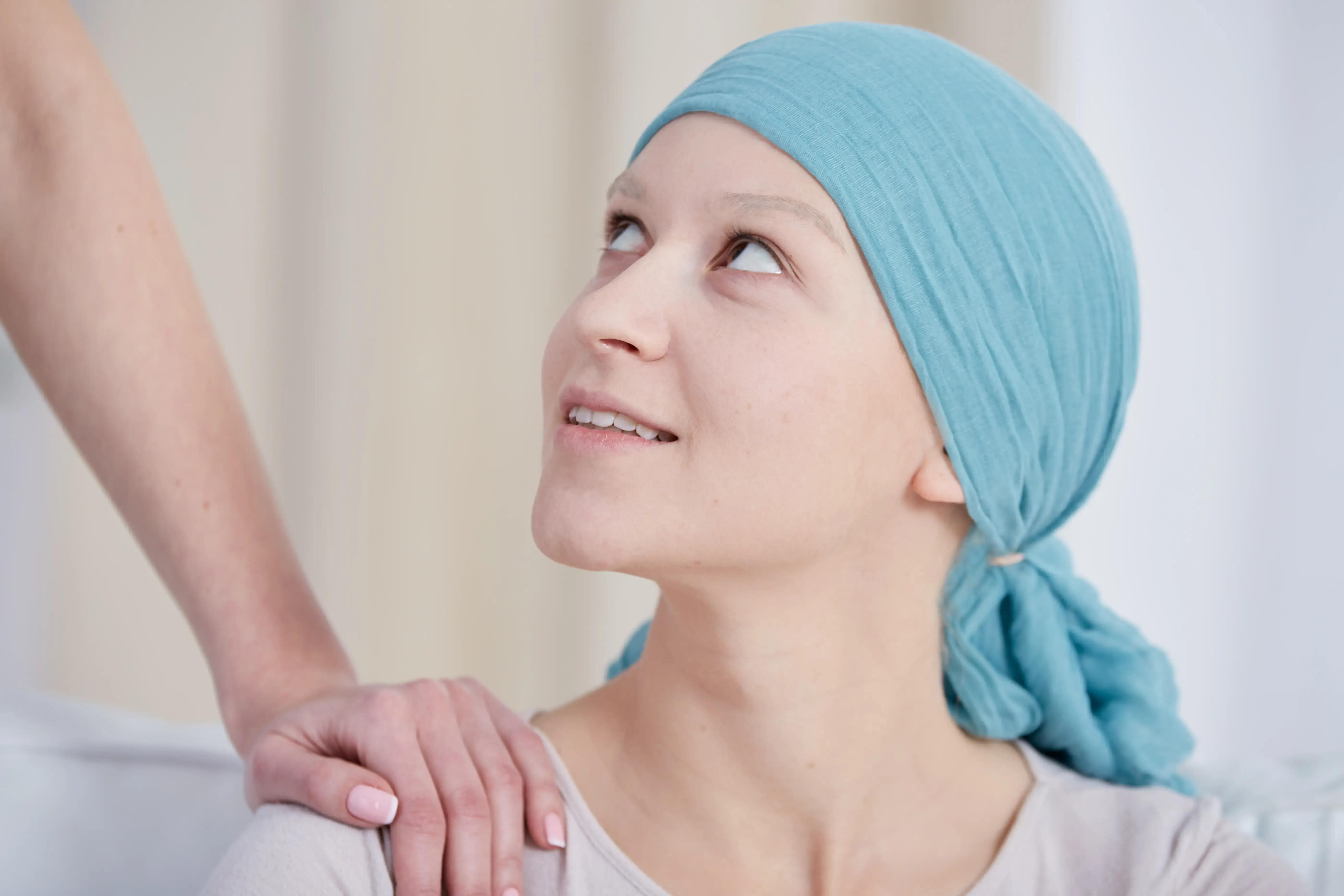
Starting chemotherapy raises a lot of questions for patients and families. At Gulf International Cancer Center, the medical oncology department has delivered more than 16,000 treatment sessions since 2007, giving the team deep, practical experience in guiding patients through every stage of the process, from the first infusion to follow-up care. Knowing what to expect before that first appointment can make a genuinely difficult experience feel more manageable.
What Medical Oncology Covers at GICC
Medical oncology at GICC centers on chemotherapy and related drug-based cancer treatments, delivered under the supervision of board-certified oncologists. Treatment plans are built around each patient's diagnosis, cancer stage, and overall health, often informed by imaging from GICC's own PET/CT program, so the drug regimen chosen reflects the most current picture of the disease.
Before Your First Session
Consultation and Treatment Planning
Before chemotherapy begins, patients meet with their oncologist to review test results, discuss the recommended drug regimen, and understand the expected schedule. Blood work and other baseline tests are typically done to confirm the patient is ready to start treatment safely, and this is also the time to ask questions about what the coming weeks will involve.
What Happens During an Infusion
Chemotherapy is most commonly delivered through an intravenous infusion in a dedicated treatment area, with nursing staff monitoring patients throughout the session. Session length varies depending on the specific drugs used, ranging from under an hour to several hours, and many patients bring a book, headphones, or a companion to help pass the time comfortably.
Managing Side Effects
Common side effects such as nausea, fatigue, and lowered immunity are anticipated and actively managed with supportive medications and monitoring. GICC's care team tracks how each patient responds across sessions and adjusts supportive care accordingly, so that side effects are caught early rather than left unmanaged between visits.
Staying Well Between Sessions
Between infusions, patients are guided on practical steps to protect their immune system, manage fatigue, and recognize warning signs that need prompt attention. Having a clear point of contact with the care team between sessions helps patients feel supported rather than left to navigate side effects alone.
Coordinated Care Beyond Chemotherapy
Chemotherapy at GICC is often just one part of a broader treatment plan that may include radiation oncology or brachytherapy. Because these departments operate within the same center, oncologists can adjust chemotherapy schedules in coordination with other treatments a patient is receiving, avoiding the friction of coordinating between separate facilities.
A Program Built on Experience
With more than 16,000 chemotherapy sessions delivered, GICC's medical oncology team has refined its approach to dosing, scheduling, and side effect management across a wide range of cancer types, backed by the center's Joint Commission International accreditation.
Frequently Asked Questions
How long does a chemotherapy session usually take?
This depends on the specific drugs prescribed, ranging from under an hour to several hours per session.
Will I lose my hair during chemotherapy?
Hair loss depends on the specific drugs used in your regimen; your oncologist can explain what to expect for your treatment plan.
How many chemotherapy sessions will I need?
The number of sessions depends on the cancer type, stage, and treatment goals, and is determined by your oncologist.
Is chemotherapy combined with other treatments at GICC?
Yes, chemotherapy is often coordinated with radiation oncology or brachytherapy as part of a combined treatment plan.
Can I bring someone with me to my chemotherapy sessions?
Yes, patients are generally welcome to bring a family member or companion to their infusion appointments for support.
What should I do if side effects worsen between sessions?
You should contact your care team promptly, as GICC's medical oncology staff monitor and adjust supportive care between visits.
How experienced is GICC in delivering chemotherapy?
GICC's medical oncology program has delivered more than 16,000 treatment sessions since 2007.

GICC Team has dedicated their career to improving cancer care and fostering innovative approaches to patient treatment.
All blog posts