Cancer Survivorship: Life After Treatment and Long-Term Care
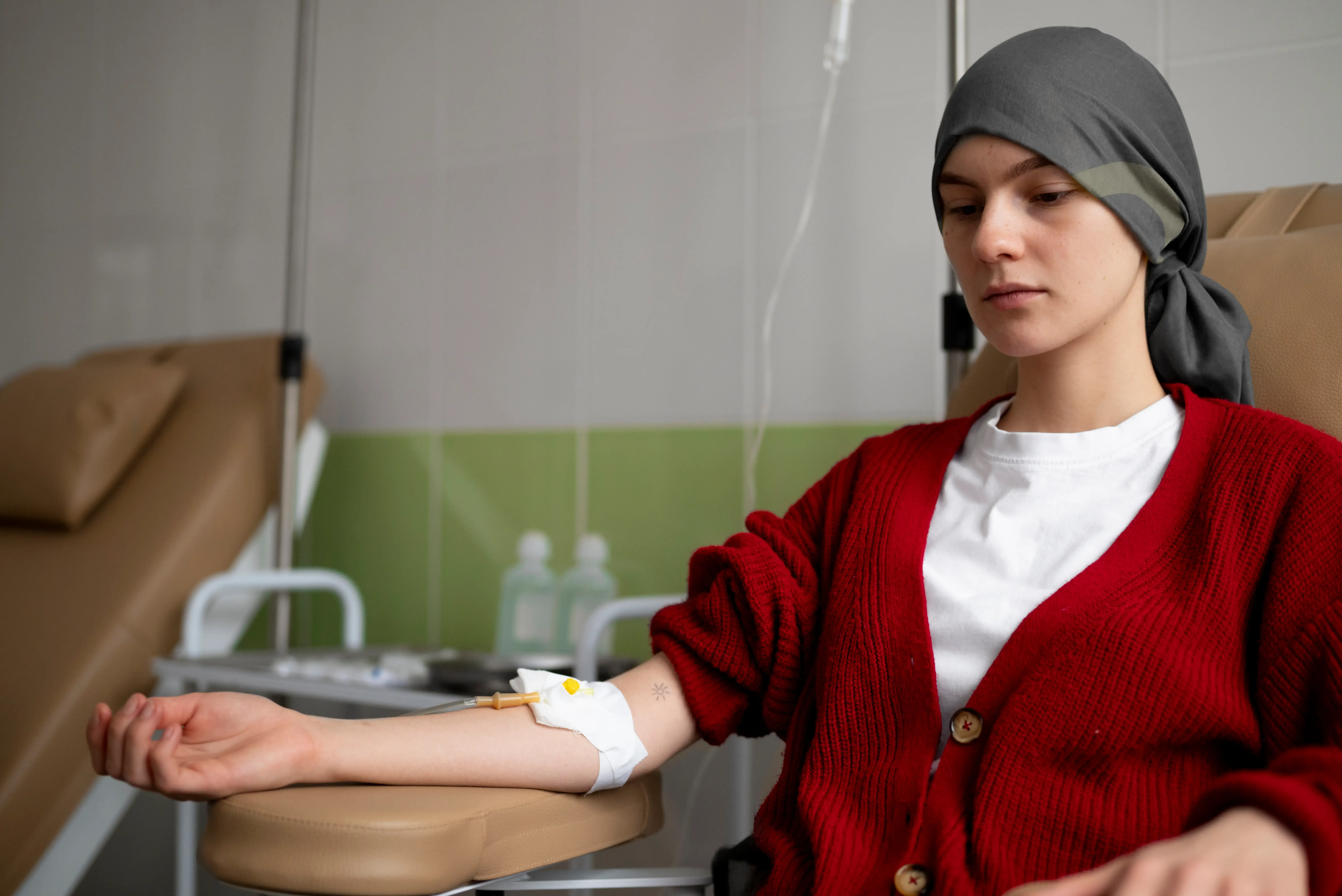
Completing cancer treatment is a major milestone for patients and their families. However, the journey does not end once treatment finishes. Many individuals enter a new phase known as cancer survivorship, which focuses on recovery, long-term health, and monitoring for potential recurrence.
Cancer survivorship includes the physical, emotional, and social aspects of life after cancer treatment. With advances in modern oncology, more people are surviving cancer than ever before. As a result, survivorship care has become an essential part of comprehensive cancer treatment.
Understanding how to manage health after treatment helps survivors maintain quality of life and reduce long-term health risks.
Understanding Cancer Survivorship
Cancer survivorship begins at the time of diagnosis and continues throughout the patient’s life.
However, the survivorship phase often becomes most relevant after primary treatments such as surgery, chemotherapy, radiation therapy, or targeted therapy are completed.
During this period, survivors may experience a range of challenges including:
• Physical recovery from treatment
• Emotional adjustment after diagnosis and therapy
• Long-term health monitoring
• Lifestyle changes to support overall well-being
Healthcare teams typically develop survivorship care plans that outline follow-up appointments, recommended screenings, and lifestyle guidance.
Physical and Emotional Recovery After Treatment
Cancer treatment can place significant stress on the body and mind. Recovery after treatment may take time, and each survivor’s experience is unique.
Physically, patients may experience fatigue, changes in energy levels, or lingering side effects from treatment. These symptoms often improve gradually with time and supportive care.
Emotionally, survivors may face feelings of anxiety, uncertainty, or fear of recurrence. Support from healthcare providers, counselors, and family members plays an important role in helping survivors adjust to life after treatment.
Many cancer centers offer support programs and survivorship clinics designed to address these challenges.
The Importance of Follow-Up Care
Regular follow-up care is essential for monitoring a survivor’s health after treatment.
During follow-up visits, doctors may perform physical examinations, imaging tests, and laboratory evaluations to monitor recovery and detect any signs of recurrence early.
Follow-up care also allows healthcare providers to manage any long-term effects of treatment.
Common aspects of follow-up care include:
• Routine medical checkups
• Imaging tests such as CT or PET scans
• Blood tests and tumor marker monitoring
• Assessment of treatment-related side effects
Early detection of recurrence allows doctors to intervene quickly and improve treatment outcomes.
Healthy Living for Cancer Survivors
Maintaining a healthy lifestyle can support recovery and improve long-term health for cancer survivors. Adopting healthy habits can reduce the risk of recurrence and enhance overall well-being.
Nutrition and Balanced Diet
A nutritious diet helps support the body’s recovery after cancer treatment. Doctors often recommend a balanced diet that includes:
• Fresh fruits and vegetables
• Whole grains
• Lean proteins
• Healthy fats
Proper nutrition supports immune function and helps maintain energy levels.
Physical Activity and Rehabilitation
Regular physical activity can help improve strength, reduce fatigue, and support emotional well-being.
Exercise programs designed for cancer survivors may include gentle activities such as walking, stretching, yoga, or supervised rehabilitation programs.
These activities help restore physical strength and improve quality of life.
Mental Health and Emotional Support
Cancer survivorship also involves emotional healing. Counseling services, survivor support groups, and mental health professionals can help individuals process their experiences.
Connecting with other survivors can provide encouragement and help individuals feel less isolated during recovery.
Maintaining emotional well-being is just as important as physical health.
Long-Term Monitoring and Preventive Care
Long-term monitoring ensures that survivors receive appropriate medical care in the years following treatment.
Doctors may recommend:
• Routine cancer screenings
• Monitoring for treatment-related complications
• Preventive healthcare services
• Lifestyle counseling
Advances in oncology have improved survival rates significantly, making long-term care an essential part of patient management.
Comprehensive survivorship programs offered by modern oncology centers help patients transition from treatment to recovery while maintaining ongoing health support.
Frequently Asked Questions
1. What does cancer survivorship mean?
Cancer survivorship refers to the period after cancer diagnosis and treatment, focusing on recovery, long-term health, and quality of life.
2. Why is follow-up care important for cancer survivors?
Follow-up care helps monitor recovery, detect recurrence early, and manage long-term side effects of treatment.
3. Can cancer survivors live normal lives after treatment?
Many survivors return to normal daily activities and lead healthy lives with proper medical follow-up and lifestyle management.
4. What lifestyle changes help cancer survivors stay healthy?
Healthy eating, regular physical activity, stress management, and routine medical checkups can support long-term health after cancer treatment.

GICC Team is dedicated to advancing cancer care through innovation, research, and patient-focused clinical excellence.
All blog postsRelated posts
-

29/01/2025
Affordable Cancer Treatment in UAE: How GICC Guides You to the Right SupportAccessing cancer care: GICC connects patients to essential treatment resources.
-
14/01/2025
UAE’s First Private Ambulatory Cancer Center: Redefining Cancer Care in an Outpatient SettingUAE revolutionizes cancer care: first private ambulatory center for advanced treatments
-

07/01/2025
Navigating a Cancer Diagnosis: Tips for Patients and FamiliesFacing a cancer diagnosis together: guidance, support, and actionable tips for resilience