Best Cancer Screening Tests for Adults in 2026
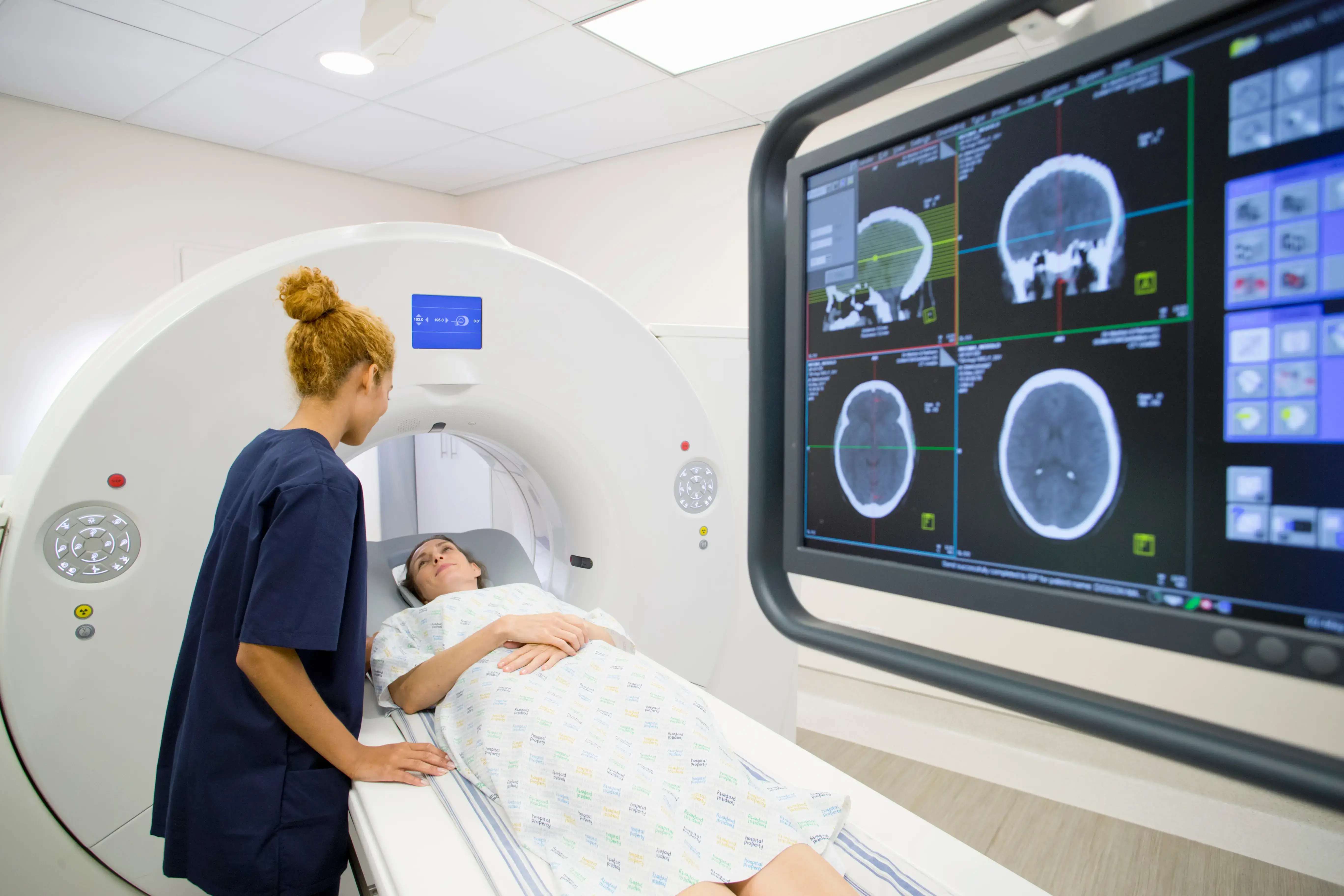
Cancer remains one of the leading health concerns worldwide, but early detection has significantly improved survival rates over the years. In 2026, advancements in medical technology have made cancer screening more accurate, faster, and accessible than ever before.
Many cancers develop silently without noticeable symptoms in the early stages. By the time symptoms appear, the disease may already be advanced. This is why routine cancer screening plays a crucial role in identifying cancer early, when treatment is more effective and less invasive.
Modern oncology centers are increasingly focusing on preventive screening strategies to help patients detect potential risks before they become serious health issues.
What Is Cancer Screening?
Cancer screening refers to medical tests performed to detect cancer in individuals who do not yet show symptoms. These tests help identify abnormal changes in the body that may indicate the presence of cancer at an early stage.
Unlike diagnostic tests used after symptoms appear, screening tests are proactive. They are designed to catch cancer before it spreads, increasing the chances of successful treatment.
Screening methods can include imaging tests, blood tests, and physical examinations, depending on the type of cancer being evaluated.
Why Early Cancer Screening Matters
Early detection can make a life-changing difference. When cancer is diagnosed at an early stage, treatment options are more effective and less aggressive.
- Higher survival rates
- Less invasive treatments
- Reduced treatment costs
- Better quality of life
- Faster recovery times
In many cases, early-stage cancers can be treated successfully before they spread to other parts of the body.
Top Cancer Screening Tests for Adults in 2026
Advancements in healthcare have introduced a wide range of screening tests designed to detect different types of cancer. Below are some of the most important screening methods recommended for adults.
PET/CT Scan
PET/CT scans combine metabolic and structural imaging to detect abnormal cell activity in the body. These scans are highly effective for early detection, staging, and monitoring cancer progression.
Mammography
Mammography is a specialized imaging test used to detect breast cancer. Regular screenings can identify tumors early, often before they can be physically detected.
Colonoscopy
Colonoscopy helps detect colorectal cancer by examining the colon for abnormal growths or polyps, which can be removed before they become cancerous.
Low-Dose CT Scan
Low-dose CT scans are commonly used to screen for lung cancer, especially in high-risk individuals such as smokers.
PSA Test
The PSA blood test is used to screen for prostate cancer in men. Elevated levels may indicate the need for further testing.
Who Should Get Screened?
Cancer screening is recommended for many adults based on age, lifestyle, and family history.
- Adults over the age of 30 or 40
- Individuals with a family history of cancer
- Smokers or former smokers
- People with unhealthy lifestyle habits
- Those exposed to environmental risk factors
Doctors typically recommend personalized screening plans based on individual risk factors.
How Often Should You Get Screened?
The frequency of screening depends on the type of test and individual risk level.
- Annual or biannual screenings for certain cancers
- Regular mammograms after age 40
- Colonoscopy every 5–10 years
- PSA tests as recommended by a doctor
Consulting a healthcare professional is the best way to determine the right screening schedule for you.
Frequently Asked Questions
What is the best cancer screening test?
There is no single test that detects all cancers. The best screening test depends on your age, gender, and risk factors.
Are cancer screening tests safe?
Yes, most screening tests are safe and minimally invasive.
Can cancer be detected before symptoms appear?
Yes, many modern screening tests can detect cancer at a very early stage.
Where can I get cancer screening?
You can access advanced cancer screening services at specialized oncology centers.

GICC Team has dedicated their career to improving cancer care and fostering innovative approaches to patient treatment.
All blog postsRelated posts
-

29/01/2025
Affordable Cancer Treatment in UAE: How GICC Guides You to the Right SupportAccessing cancer care: GICC connects patients to essential treatment resources.
-

14/01/2025
UAE’s First Private Ambulatory Cancer Center: Redefining Cancer Care in an Outpatient SettingUAE revolutionizes cancer care: first private ambulatory center for advanced treatments
-

07/01/2025
Navigating a Cancer Diagnosis: Tips for Patients and FamiliesFacing a cancer diagnosis together: guidance, support, and actionable tips for resilience