How Long Does It Take to Diagnose Cancer After a Scan?
Why the Timeframe Between Scan and Diagnosis Matters
When a scan reveals something suspicious, time suddenly feels critical. While imaging tests such as CT scans, MRIs, or PET scans can identify abnormalities, they cannot confirm cancer on their own. Further steps, including biopsies and laboratory analysis, are required. Understanding this process can help reduce anxiety and prepare patients for what comes next.
Step 1: When a Scan Shows Suspicious Findings
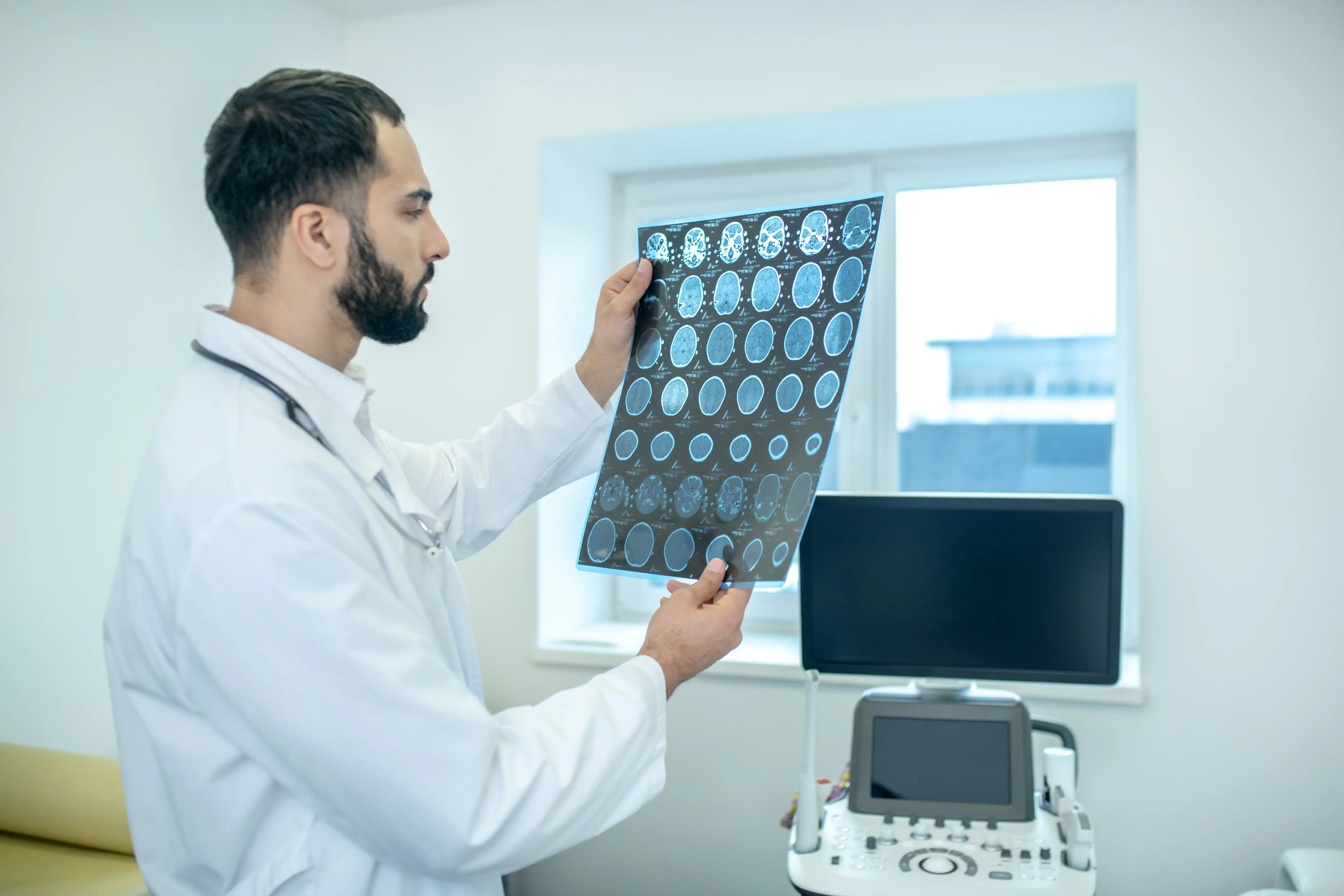
Imaging scans are often the first step when cancer is suspected. If a radiologist detects a mass, lesion, or irregular tissue, it is documented in the report with recommendations for further evaluation. Scan reports are usually available within 24 to 72 hours, but no diagnosis is made at this stage.
Step 2: Referral to an Oncologist or Specialist
After suspicious findings are identified, patients are referred to a specialist based on the affected area. Appointment timing can range from a few days to a couple of weeks. During this visit, the specialist reviews imaging results, medical history, and determines whether a biopsy or additional tests are required.
Step 3: Scheduling and Undergoing a Biopsy
A biopsy is essential for confirming or ruling out cancer. It involves removing a small tissue sample using a needle, endoscope, or minor surgical procedure. Biopsies are typically scheduled within one to two weeks after specialist consultation, and the procedure itself usually takes less than an hour.
Step 4: How Long Do Pathology Results Take?
Once collected, biopsy samples are analyzed in a pathology lab. Results are commonly available within 3 to 7 business days. In more complex cases that require molecular or genetic testing, the process may extend to one or two weeks.
Step 5: Final Diagnosis and Next Steps
After pathology results are reviewed, the specialist discusses the findings with the patient. If cancer is confirmed, details such as type and stage are explained along with treatment options. Overall, the full timeline from scan to diagnosis usually ranges from 1 to 3 weeks, depending on urgency and complexity.
What Can Affect the Cancer Diagnosis Timeline?
Several factors can influence how quickly a diagnosis is confirmed:
- Type and location of the suspected tumor
- Availability of specialists and biopsy appointments
- Laboratory workload and test complexity
- Insurance approvals and administrative processes
- Need for second opinions or additional testing
How to Manage Anxiety While Waiting for Results
Waiting for a diagnosis can be emotionally challenging. Staying informed without over researching, preparing questions for appointments, practicing relaxation techniques, and seeking support from professionals or support groups can help manage stress during this period.
FAQs About Cancer Diagnosis After Imaging
1. Can a scan alone diagnose cancer?
No, imaging can highlight suspicious areas, but a biopsy is required to confirm cancer.
2. How quickly should I follow up after a suspicious scan?
Ideally, you should see a specialist within one to two weeks of receiving scan results.
3. What if my biopsy results are inconclusive?
Additional imaging, repeat biopsy, or referral to another specialist may be recommended.
4. Do all abnormal scans indicate cancer?
No, many abnormal findings are benign or related to non-cancerous conditions.
5. How can I help speed up the diagnosis process?
Request timely appointments, follow up regularly, and ensure all medical records are shared promptly.

GICC Team is dedicated to advancing cancer care through research driven, patient centered, and innovative treatment approaches.
All blog postsRelated posts
-

29/01/2025
Affordable Cancer Treatment in UAE: How GICC Guides You to the Right SupportAccessing cancer care: GICC connects patients to essential treatment resources.
-
14/01/2025
UAE’s First Private Ambulatory Cancer Center: Redefining Cancer Care in an Outpatient SettingUAE revolutionizes cancer care: first private ambulatory center for advanced treatments
-

07/01/2025
Navigating a Cancer Diagnosis: Tips for Patients and FamiliesFacing a cancer diagnosis together: guidance, support, and actionable tips for resilience