How AI Is Transforming Cancer Detection in 2026
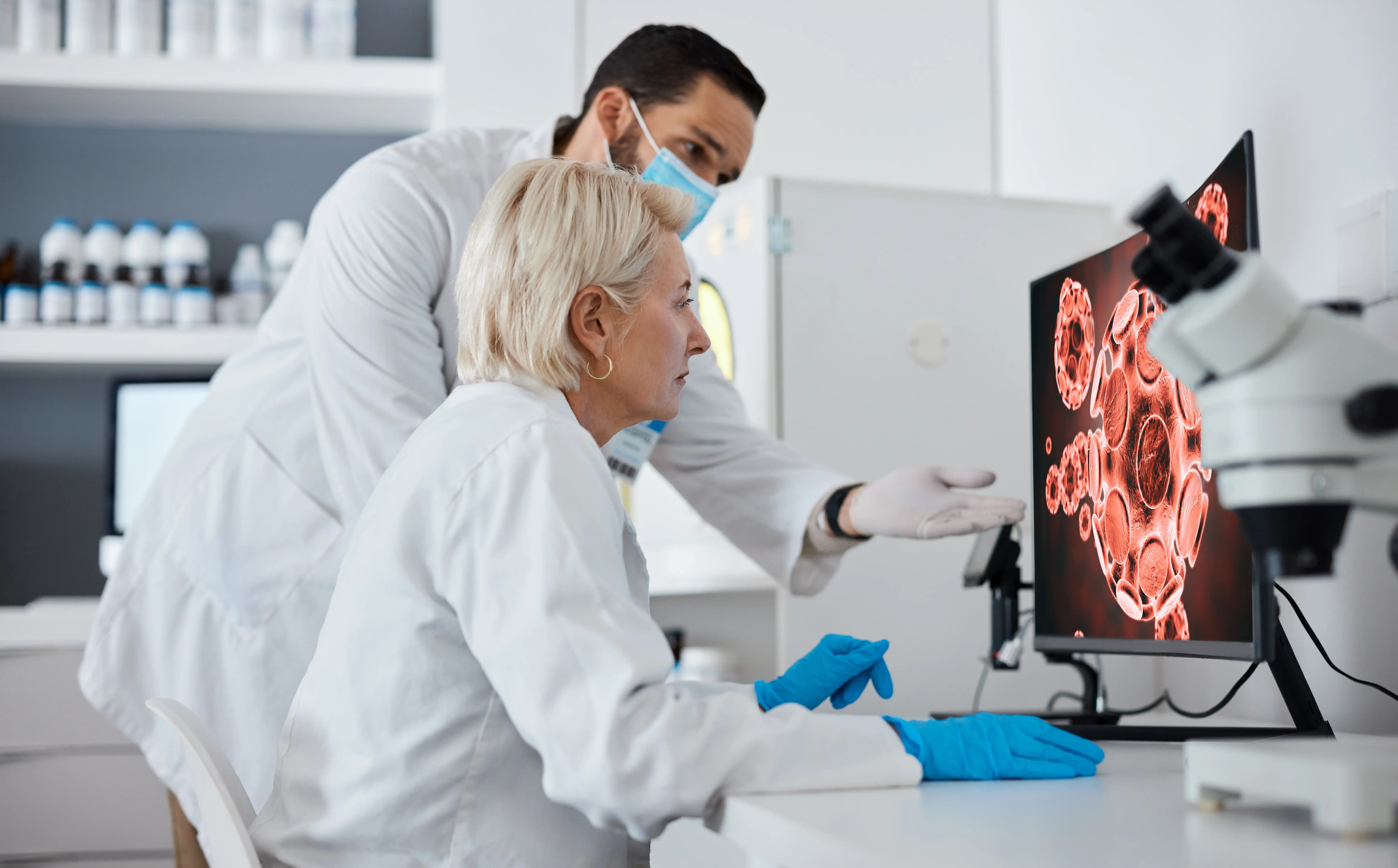
Artificial Intelligence (AI) is rapidly changing the healthcare industry, and one of its most promising applications is in cancer detection. In 2026, AI-powered technologies are helping healthcare professionals identify cancer earlier, diagnose it more accurately, and develop personalized treatment plans for patients.
Cancer remains one of the leading causes of death worldwide. However, medical experts agree that early detection significantly increases the chances of successful treatment and long-term survival. The challenge has always been identifying cancer at its earliest stage when symptoms may not yet be visible.
Today, AI is helping bridge that gap.
By analyzing medical images, pathology reports, genetic information, and patient data at incredible speeds, AI systems are becoming valuable tools that support doctors in making faster and more informed decisions.
At modern oncology centers worldwide, AI-enhanced technologies are becoming an important part of comprehensive cancer care.
What Is Artificial Intelligence in Healthcare?
Artificial Intelligence refers to computer systems that can analyze data, recognize patterns, and make predictions based on information they have been trained to process.
In healthcare, AI can assist physicians by reviewing large amounts of medical information that would otherwise take significant time to analyze manually.
Rather than replacing healthcare professionals, AI acts as an advanced support tool that helps improve efficiency and accuracy.
AI is currently being used in:
- Medical imaging analysis
- Cancer screening programs
- Pathology assessments
- Risk prediction models
- Treatment planning
- Clinical decision support systems
As technology continues to evolve, AI is becoming increasingly valuable in oncology.
Why Early Cancer Detection Matters
Early cancer detection is one of the most important factors influencing treatment success.
When cancer is identified in its earliest stages:
- Treatment options are often less invasive
- Survival rates are generally higher
- Treatment costs may be lower
- Recovery times can be shorter
- Quality of life is often improved
Unfortunately, many cancers develop silently and may not cause symptoms until they reach more advanced stages.
This is where AI-powered diagnostic tools can make a meaningful difference.
How AI Is Improving Cancer Detection
One of the greatest strengths of AI is its ability to recognize patterns that may be difficult for the human eye to detect.
Advanced AI systems can analyze thousands of medical images and compare them against vast databases of previous cases.
This allows AI to identify subtle abnormalities that could indicate the presence of cancer.
In many cases, AI can help:
- Detect suspicious lesions earlier
- Highlight areas requiring further review
- Reduce human error
- Improve diagnostic consistency
- Support faster clinical decision-making
The result is a more efficient diagnostic process that helps doctors focus on patient care.
AI-Powered Technologies Used in Oncology
AI-Assisted Medical Imaging
Medical imaging remains one of the most important tools in cancer diagnosis.
AI is increasingly being integrated into imaging technologies such as:
- PET/CT scans
- CT scans
- MRI scans
- Mammography
- Ultrasound
AI algorithms can analyze imaging results and identify suspicious patterns that may indicate cancer development.
This additional layer of analysis helps radiologists improve accuracy and confidence when reviewing scans.
Digital Pathology
Pathology involves examining tissue samples under a microscope to identify cancer cells.
Traditionally, pathologists manually review slides to make diagnoses.
In 2026, AI-powered digital pathology systems can assist by analyzing high-resolution tissue images and highlighting potentially abnormal cells.
This technology helps improve efficiency while supporting accurate diagnostic assessments.
Predictive Analytics
AI is also being used to predict cancer risk based on patient history, genetics, lifestyle factors, and medical records.
These predictive models can help identify individuals who may benefit from earlier or more frequent screening.
As a result, healthcare providers can take a more proactive approach to cancer prevention and detection.
Personalized Treatment Planning
Every cancer patient is unique.
AI can analyze multiple data sources to help physicians develop personalized treatment strategies based on:
- Cancer type
- Tumor characteristics
- Genetic markers
- Previous treatment outcomes
This allows healthcare teams to create more individualized care plans that align with each patient's specific needs.
Benefits of AI in Cancer Diagnosis
- Improved Accuracy
- Faster Results
- Earlier Detection
- Better Resource Utilization
- Enhanced Patient Outcomes
By supporting faster and more accurate diagnoses, AI can contribute to improved treatment planning and overall outcomes.
Can AI Replace Doctors?
A common misconception is that AI will eventually replace healthcare professionals.
The reality is that AI is designed to assist doctors—not replace them.
Cancer diagnosis and treatment involve complex clinical judgment, patient communication, and multidisciplinary decision-making that require human expertise.
AI serves as a powerful support tool that enhances the capabilities of healthcare teams.
The final diagnosis and treatment decisions always remain in the hands of qualified medical professionals.
The Future of AI in Cancer Care
The future of oncology is likely to include even greater integration of artificial intelligence.
Researchers continue to develop advanced AI systems capable of:
- Detecting cancer earlier
- Predicting treatment responses
- Monitoring disease progression
- Supporting precision medicine
- Improving screening programs
As these technologies become more sophisticated, patients can expect increasingly personalized and effective cancer care.
While AI is not a cure for cancer, it represents one of the most significant advancements in modern oncology and has the potential to improve outcomes for millions of people worldwide.
Frequently Asked Questions
Is AI currently used in cancer detection?
Yes. Many healthcare institutions use AI-assisted technologies to support imaging analysis, pathology assessments, and diagnostic workflows.
Can AI detect cancer earlier than traditional methods?
AI can help identify subtle abnormalities that may be missed during manual review, potentially supporting earlier detection in certain situations.
Is AI cancer detection accurate?
AI systems have demonstrated impressive accuracy in various studies, but they are designed to assist healthcare professionals rather than replace clinical judgment.
Does AI replace radiologists or oncologists?
No. AI acts as a support tool that helps doctors analyze information more efficiently while final decisions remain with medical experts.
What is the future of AI in oncology?
AI is expected to play an increasingly important role in screening, diagnosis, treatment planning, and personalized cancer care.

GICC Team has dedicated their career to improving cancer care and fostering innovative approaches to patient treatment.
All blog postsRelated posts
-

29/01/2025
Affordable Cancer Treatment in UAE: How GICC Guides You to the Right SupportAccessing cancer care: GICC connects patients to essential treatment resources.
-

14/01/2025
UAE’s First Private Ambulatory Cancer Center: Redefining Cancer Care in an Outpatient SettingUAE revolutionizes cancer care: first private ambulatory center for advanced treatments
-

07/01/2025
Navigating a Cancer Diagnosis: Tips for Patients and FamiliesFacing a cancer diagnosis together: guidance, support, and actionable tips for resilience