AI-Powered Cancer Imaging: How Artificial Intelligence Is Enhancing Early Diagnosis
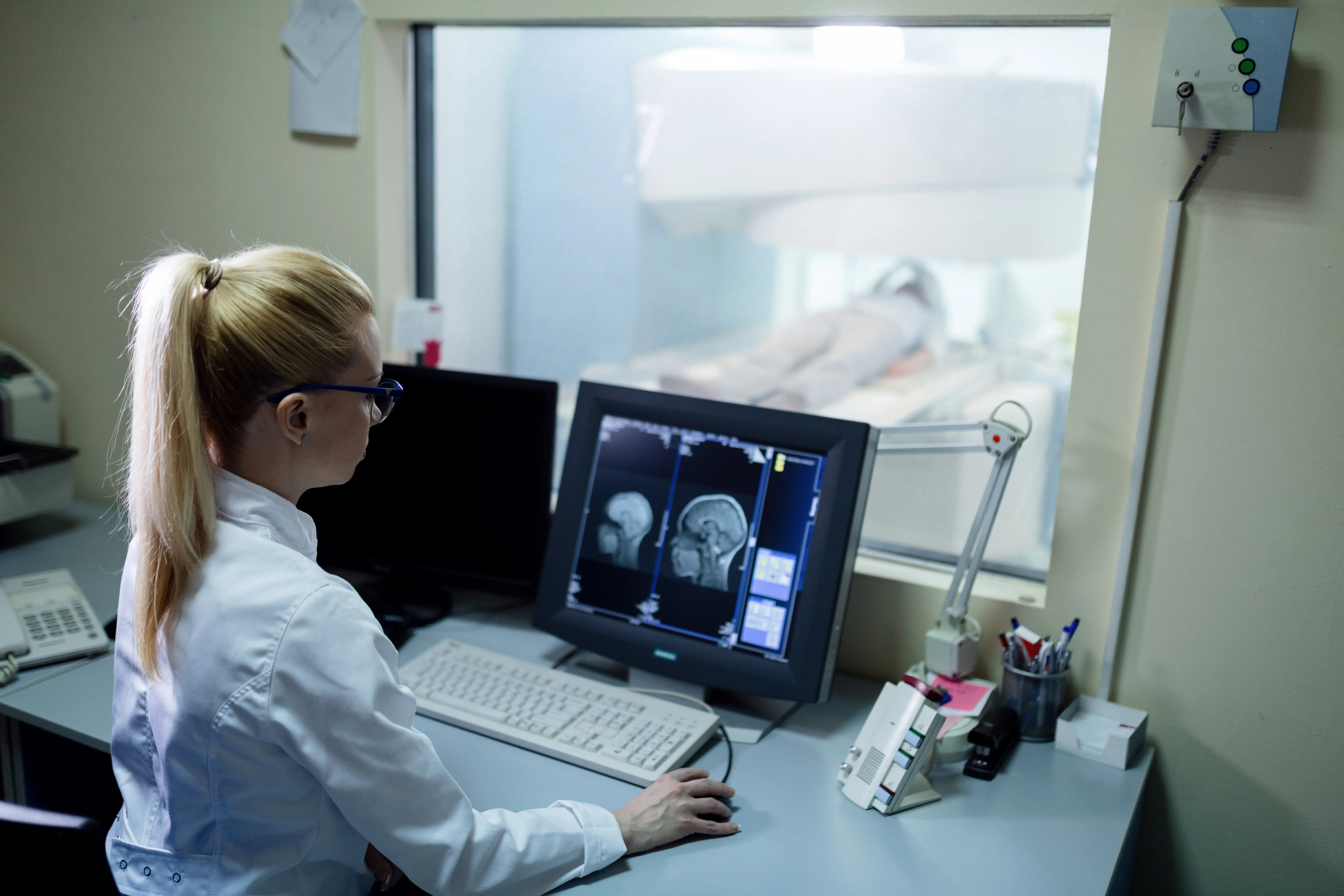
Early cancer detection can mean the difference between life and loss. As cancer cases rise globally, healthcare systems are under increasing pressure to deliver faster and more accurate diagnoses. Artificial intelligence is emerging as a powerful force in oncology imaging, transforming how cancers are detected, analyzed, and treated.
By combining machine learning algorithms with advanced medical imaging, AI enables clinicians to identify subtle abnormalities that may be invisible to the human eye. From radiology departments to specialized cancer centers, AI-powered imaging is redefining diagnostic precision and reshaping the future of oncology care.
Why AI Is Transforming Cancer Imaging
Traditional imaging relies heavily on radiologist expertise. While highly skilled, human interpretation can be affected by fatigue, workload, and the growing complexity of imaging data. AI introduces a data-driven approach that enhances accuracy, consistency, and clinical confidence.
AI in MRI, CT, and PET Scan Analysis
MRI Imaging
AI improves soft-tissue contrast analysis in MRI scans, allowing clearer identification of tumors in organs such as the brain, liver, breast, and prostate. Automated segmentation tools enable precise monitoring of tumor progression.
CT Scans
In CT imaging, AI assists in detecting small lesions and lung nodules that may indicate early cancer development, helping prioritize urgent findings for faster diagnosis.
PET Scans
AI enhances PET scan interpretation by correlating metabolic activity with anatomical structures, improving cancer staging, treatment monitoring, and therapy response evaluation.
Reducing Human Error in Diagnosis
AI does not replace clinicians but acts as a powerful support tool. By learning from large datasets, AI systems help flag suspicious findings, reduce missed diagnoses, and provide reliable second-opinion validation.
Ethical and Clinical Challenges
Despite its benefits, AI adoption in oncology imaging presents challenges related to data quality, algorithm bias, regulatory oversight, and patient data privacy. Responsible implementation is essential for long-term success.
The Future of AI-Driven Oncology Imaging
The future of cancer imaging lies in deeper integration between artificial intelligence, clinical expertise, and advanced imaging technologies. AI will play a central role in predictive risk modeling, personalized treatment planning, and real-time clinical decision support.
Frequently Asked Questions
Q: What is AI-powered cancer imaging?
AI-powered cancer imaging uses machine learning algorithms to analyze medical scans and assist clinicians in detecting and diagnosing cancer more accurately.
Q: Does AI replace radiologists?
No. AI supports radiologists by improving accuracy and efficiency while preserving human clinical judgment.
Q: Is AI imaging safe for patients?
Yes. When clinically validated and properly regulated, AI imaging tools enhance diagnostic safety and reliability.

GICC Team is dedicated to advancing cancer care through innovation, research, and patient-focused clinical excellence.
All blog postsRelated posts
-

29/01/2025
Affordable Cancer Treatment in UAE: How GICC Guides You to the Right SupportAccessing cancer care: GICC connects patients to essential treatment resources.
-

14/01/2025
UAE’s First Private Ambulatory Cancer Center: Redefining Cancer Care in an Outpatient SettingUAE revolutionizes cancer care: first private ambulatory center for advanced treatments
-

07/01/2025
Navigating a Cancer Diagnosis: Tips for Patients and FamiliesFacing a cancer diagnosis together: guidance, support, and actionable tips for resilience