Advanced Radiotherapy Technologies: Improving Accuracy and Reducing Side Effects in Cancer Treatment
Why Radiotherapy Remains a Cornerstone of Cancer Care
Radiotherapy plays a vital role in cancer treatment and is used either alone or alongside surgery and chemotherapy for many tumor types. Its effectiveness lies in its ability to target cancer cells while preserving surrounding healthy tissue.
As cancer care evolves, radiotherapy continues to advance through technological innovation, allowing clinicians to deliver precise radiation doses with improved safety and better patient outcomes.
Evolution of Radiotherapy Technologies
From Conventional Radiation to Precision Therapy
Earlier radiotherapy techniques relied on broader radiation fields, which could affect both cancerous and healthy tissues. Modern technologies now enable highly conformal radiation delivery shaped to the exact geometry of the tumor.
Role of Imaging in Modern Radiotherapy
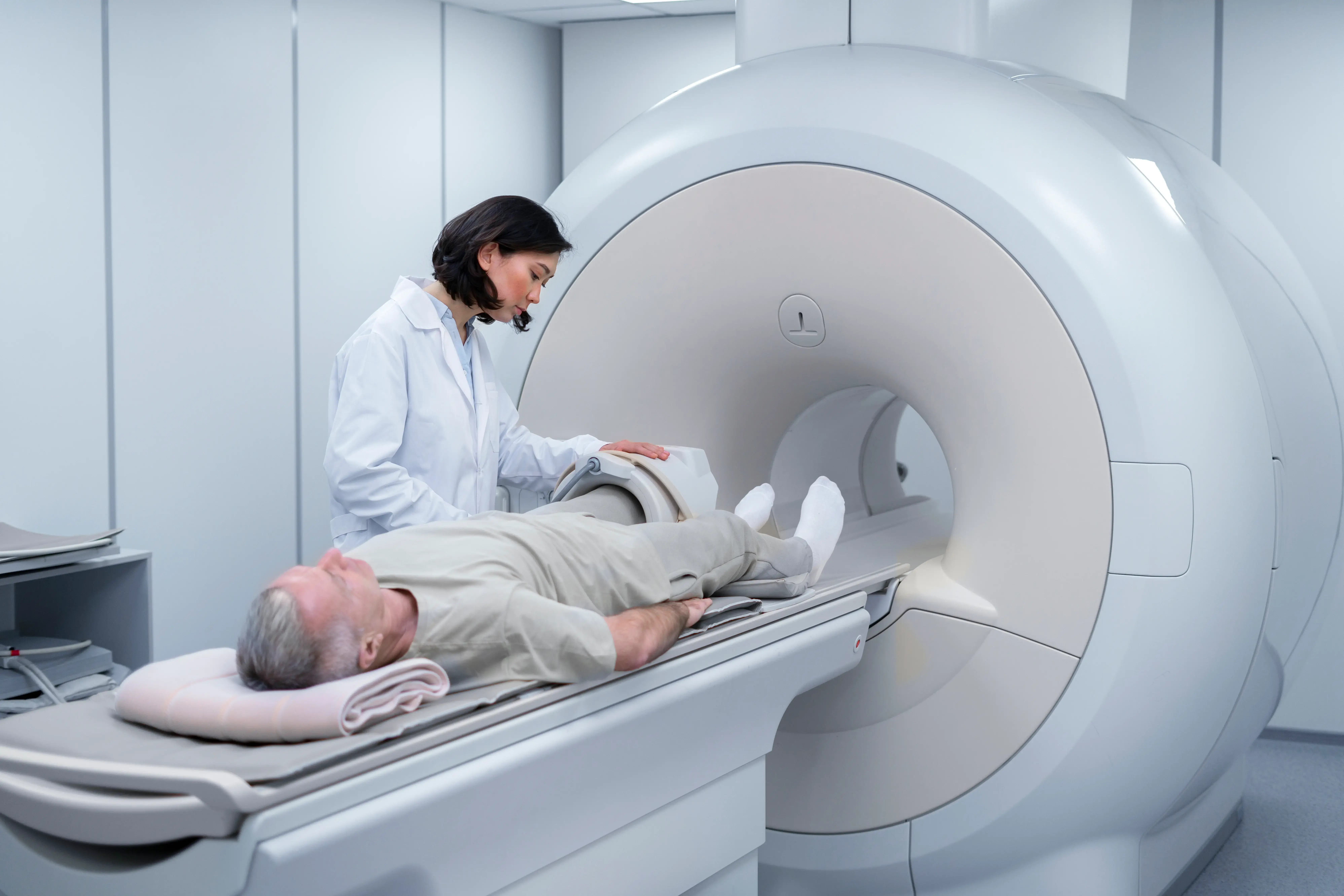
Imaging technologies such as CT, MRI, and PET scans are central to radiotherapy planning. These tools allow clinicians to define tumor boundaries accurately and protect nearby critical organs.
Image-Guided and Adaptive Radiotherapy
Enhancing Target Accuracy
Image-guided radiotherapy (IGRT) uses real-time imaging to verify tumor position before and during each treatment session. This ensures radiation is delivered precisely, even when tumors shift due to normal body movement.
Adjusting Treatment in Real Time
Adaptive radiotherapy allows treatment plans to be modified as tumors shrink or patient anatomy changes. This flexibility improves effectiveness while maintaining safety throughout the course of treatment.
Reducing Side Effects Through Precision
Protecting Healthy Tissue
By concentrating radiation on the tumor, advanced radiotherapy technologies reduce exposure to surrounding healthy tissue. This lowers the risk of both short-term and long-term side effects.
Improving Patient Comfort and Recovery
Precision-focused treatments can shorten sessions and improve recovery times, helping patients maintain quality of life during and after cancer therapy.
Challenges in Advanced Radiotherapy
Technology Costs and Infrastructure
Advanced radiotherapy systems require significant investment in equipment and infrastructure, which can limit accessibility in some healthcare settings.
Clinical Expertise and Training
Delivering advanced radiotherapy safely and effectively depends on specialized training and close collaboration between radiation oncologists, medical physicists, and clinical teams.
The Future of Radiotherapy in Oncology
The future of radiotherapy includes greater integration of artificial intelligence, automation, and advanced imaging. These innovations aim to further personalize treatment, enhance accuracy, and improve outcomes for cancer patients worldwide.
Frequently Asked Questions
Q: What is advanced radiotherapy?
Advanced radiotherapy uses modern technology to deliver precise radiation doses while minimizing damage to healthy tissues.
Q: How does image-guided radiotherapy work?
It uses imaging during treatment to confirm tumor position and ensure accurate radiation delivery.
Q: Does advanced radiotherapy reduce side effects?
Yes, improved precision helps protect healthy tissue and reduces treatment-related side effects.
Q: Is radiotherapy safe for cancer patients?
When properly planned and delivered, radiotherapy is a safe and effective cancer treatment option.
Q: What is the future of radiotherapy technology?
The future includes AI-driven planning, adaptive treatments, and more personalized cancer care.

GICC Team is dedicated to advancing cancer care through innovation, research, and patient-focused clinical excellence.
All blog postsRelated posts
-

29/01/2025
Affordable Cancer Treatment in UAE: How GICC Guides You to the Right SupportAccessing cancer care: GICC connects patients to essential treatment resources.
-

14/01/2025
UAE’s First Private Ambulatory Cancer Center: Redefining Cancer Care in an Outpatient SettingUAE revolutionizes cancer care: first private ambulatory center for advanced treatments
-

07/01/2025
Navigating a Cancer Diagnosis: Tips for Patients and FamiliesFacing a cancer diagnosis together: guidance, support, and actionable tips for resilience